
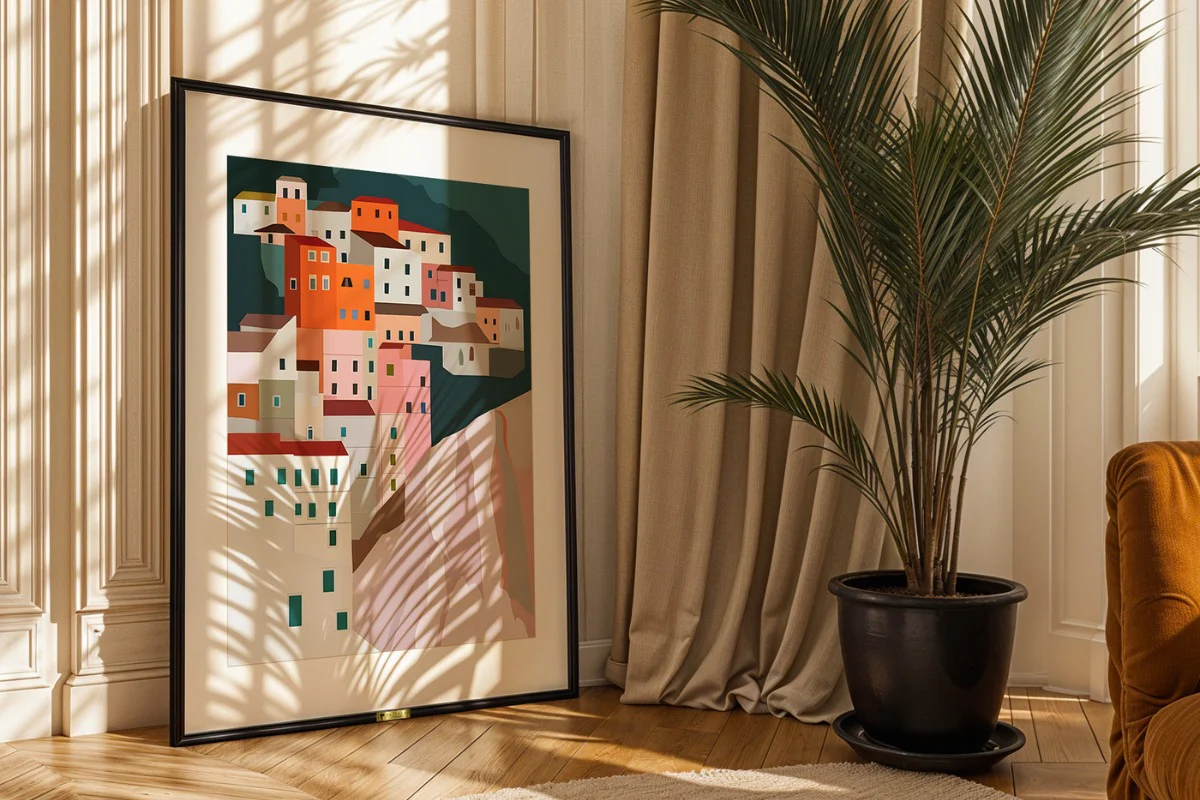
The Artful Life: How Creativity Shapes Modern Lifestyles
In the constant rush of modern life, with schedules piled high and digital noise filling every spare moment, people are increasingly searching for meaning, connection, and mindfulness. One of the most powerful — yet often underestimated — solutions lies in art. Whether through painting, dance, music, photography, or even digital illustration, art is no longer just a cultural supplement; it has become a core element of contemporary lifestyles. Today’s world recognizes that creative expression is essential for well-being, personal development, and community identity.
A Shift Toward Creative Living
Not long ago, art was viewed as something exclusive — reserved for museum halls, gallery openings, or the homes of collectors. But lifestyle trends in recent years show a dramatic shift. Creativity now thrives in everyday spaces. People decorate their coffee corners with handmade ceramics, turn journals into visual diaries, and transform living rooms into mini-studios. Social media platforms like Instagram, Pinterest, and TikTok have transformed how art is shared, making it accessible to anyone with a smartphone.
This democratic rise of art has also changed how individuals define themselves. Instead of identifying only by career or academic achievement, many now proudly embrace labels like illustrator, crafter, or creative hobbyist. Engaging with art is not just a pastime — it’s a lifestyle choice representing freedom, innovation, and emotional expression.
Art as a Wellness Tool
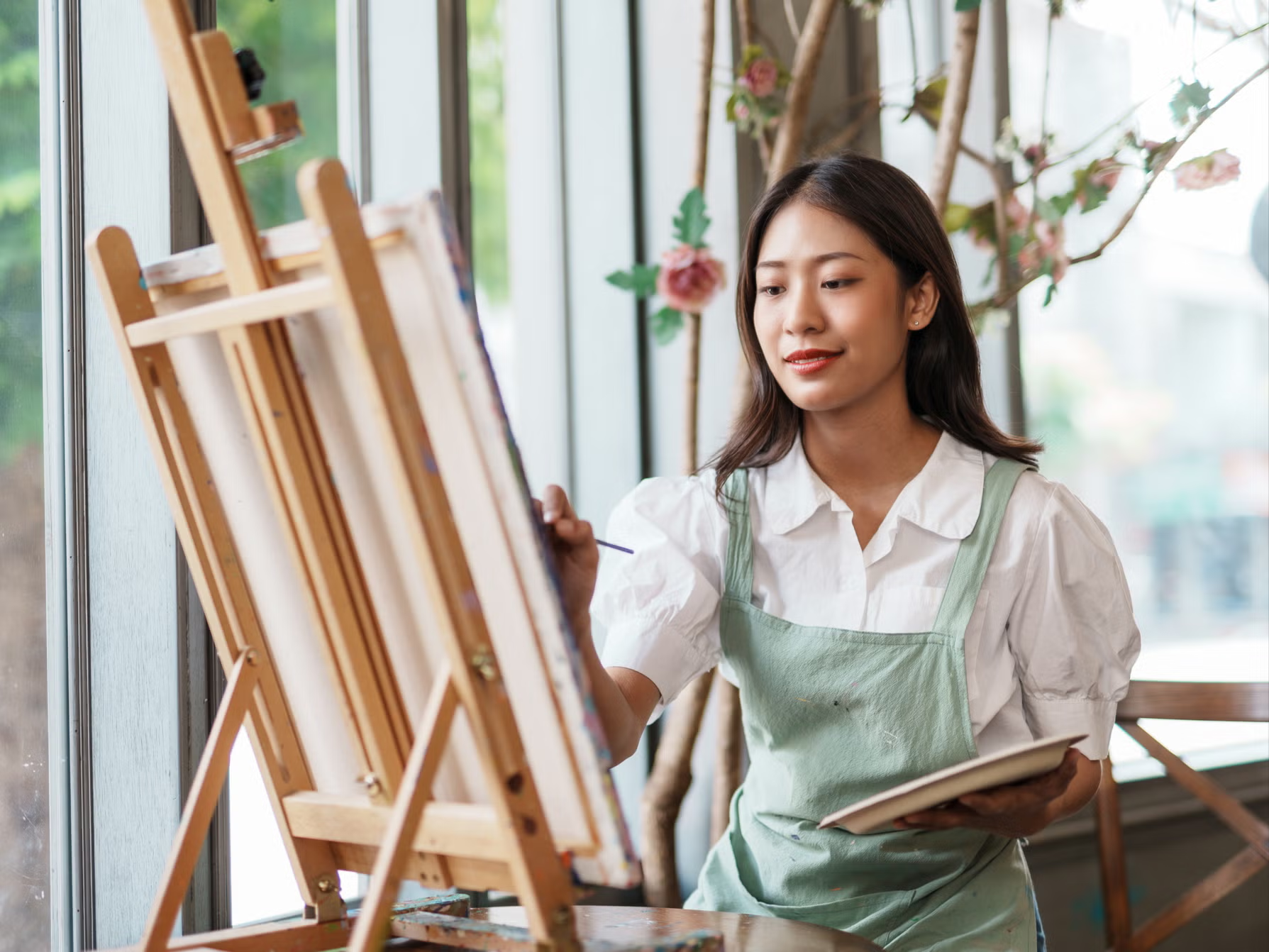
Mental health awareness has grown significantly in the 21st century, and art is widely acknowledged as a therapeutic tool. Even those who do not consider themselves “artists” can benefit from creative activities. Painting, sculpting, or writing poetry encourages mindfulness. The brain shifts focus away from worry — and into the flow of creation.
Studies in art therapy show that creative expression helps reduce stress, anxiety, and symptoms of depression. People use art journals as safe spaces to explore emotions. Community workshops offer group connection for those who feel isolated. Adults rediscover the spark of childhood play, which often fades under the responsibilities of work and family. Creativity becomes a form of self-care — and in a world where burnout is increasingly common, self-care is a necessity.
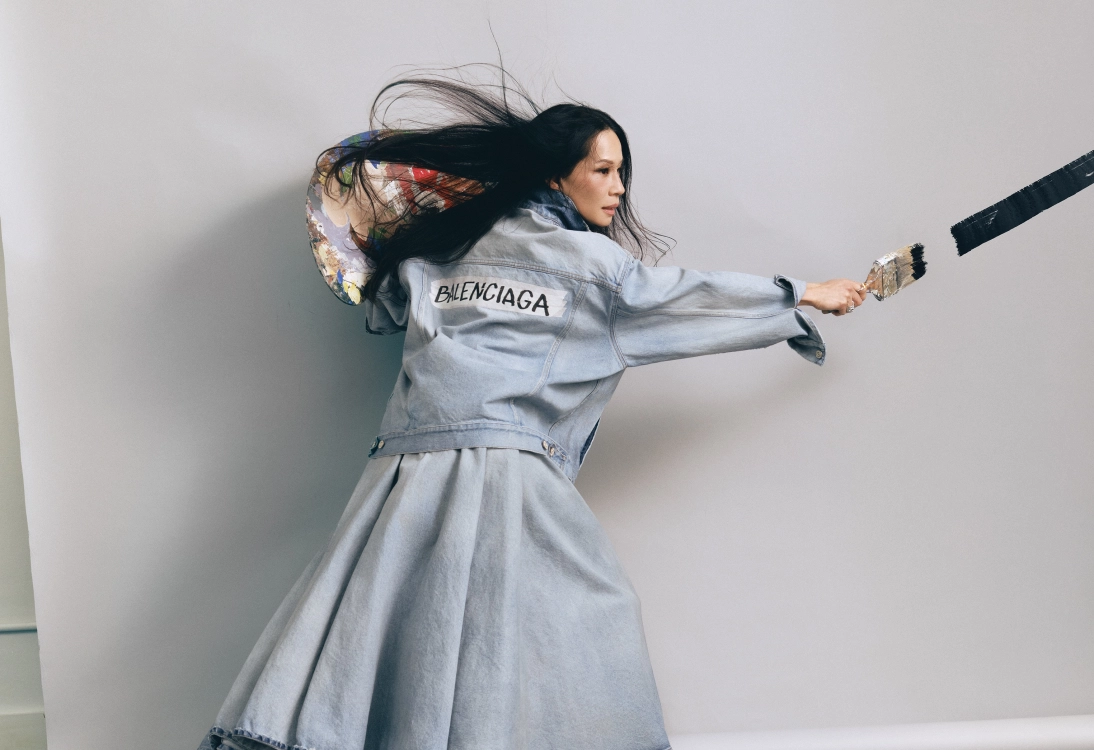
The Home as a Canvas
Interior design trends also reveal how art influences lifestyle. Rather than following strict rules of style, people now prefer personalized décor that reflects their identity. Wall art is no longer just framed prints; it includes DIY murals, thrifted sculptures, handcrafted textiles, and repurposed furniture. Homes have become extensions of the imagination.
The popularity of workshops in pottery, calligraphy, and woodworking has grown because individuals crave tangible creation — something to touch, display, and enjoy. Slow craftsmanship offers a refreshing contrast to fast consumer culture. People value objects they create themselves, not because they are perfect, but because they hold meaning.
Art in Public Spaces: Strengthening Culture
Cities are also embracing the power of art. Public murals bring color to bare walls and inspire civic pride. Sculptures, street performances, and multimedia installations make art part of everyday commutes instead of rare museum visits. In many communities, local artists collaborate with governments or organizations to revitalize neighborhoods, turning neglected corners into vibrant gathering spaces.
This artistic approach strengthens social identity. It tells stories of heritage, diversity, and resilience. When people see art representing their culture, they feel seen and valued. When they encounter art representing different cultures, they gain empathy and understanding. In this way, art acts as a universal bridge — one that transcends language.
Digital Creativity and New Artistic Careers
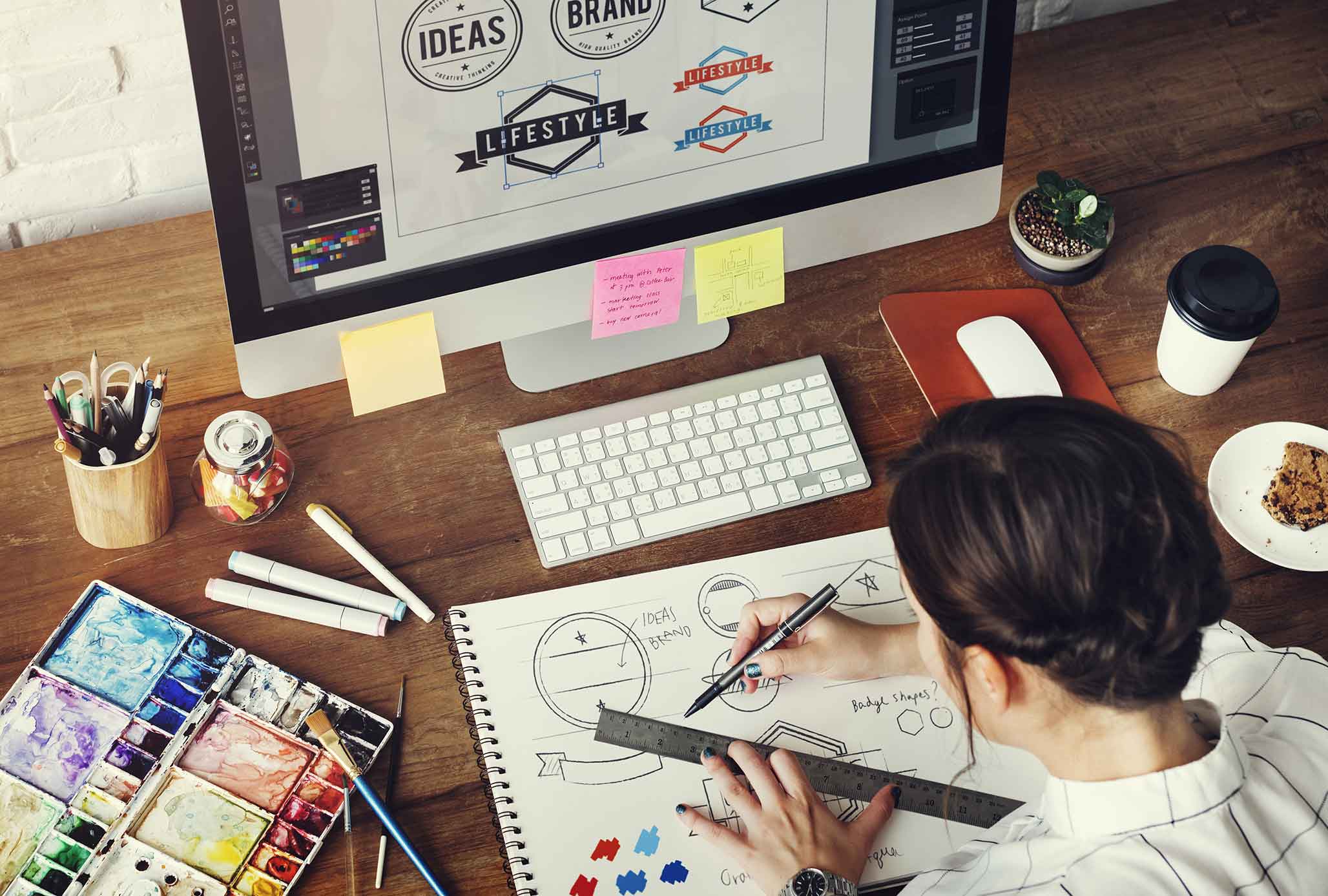
Technology has revolutionized lifestyles as well as art forms. Graphic design, 3D modeling, animation, and digital illustration are now mainstream creative pursuits. Smartphones allow anyone to be a photographer. Streaming services enable independent musicians to reach global audiences. Virtual galleries and NFT collections expand the definition of authorship and ownership.
Traditional career paths are shifting. More people choose flexible, creative professions — as freelancers, designers, videographers, content creators, and artists who build personal brands. The line between hobby and career continues to blur. Those who once pursued art “on the side” now see the possibility of turning passion into livelihood.
Unlocking Creativity in Daily Routines
Incorporating art into lifestyle does not require a studio or professional training. Small daily creative habits can add joy, excitement, and reflection. Here are a few ideas:
-
Keep a sketchbook to doodle thoughts and memories.
-
Decorate your workspace with personal art or inspirational visuals.
-
Cook creatively — treat the plate like a canvas.
-
Explore new music genres to spark imagination.
-
Attend gallery exhibits or local art fairs to connect with creative communities.
-
Try a new craft like weaving, collage, or digital painting.
-
Practice photography during walks, focusing on colors and shapes around you.
When creativity becomes a habit, individuals experience the world more vividly. Colors appear brighter. Emotions feel easier to express. Challenges become opportunities for innovative thinking.
Art as a Story of Self-Discovery
Every person has a story — and art gives a voice to that story. Through creative practice, individuals learn more about their values, dreams, and identities. Some discover confidence by sharing their work with others. Some use art to reflect on life transitions, healing, or personal growth.
Art invites us to be vulnerable. It teaches patience when a project doesn’t go as planned. It celebrates uniqueness instead of comparison. In a culture obsessed with perfection, art reminds us that imperfections can be beautiful.
A Lifestyle That Celebrates Humanity
Ultimately, embracing art as part of lifestyle is an act of reclaiming humanity in a world driven by productivity and technology. People need more than efficiency — they need emotion, expression, passion, and curiosity. Art fulfills those needs.
A creative lifestyle encourages:
-
Mindful living, by slowing down and focusing on meaningful moments.
-
Community connection, by sharing experiences through culture and creativity.
-
Emotional resilience, by offering a safe channel for feelings.
-
Personal identity, by celebrating individuality and self-expression.
The rise of art in everyday life is more than a trend — it is a cultural transformation. When we allow creativity to guide us, life becomes more vibrant, relationships become richer, and the world becomes more inspiring.
Conclusion
Art is not distant or elite. It is accessible to every person, flowing through the way we decorate our homes, express our emotions, shape our environments, and connect with others. By making art a part of daily lifestyle, we rediscover joy, purpose, and the beauty of being human. Amid the busyness of modern existence, creativity reminds us to pause… and to live artfully.
You may also like
Lifestyle and Art: How Creativity Shapes the Way We Live
Art has always been more than decoration; it is a reflection of human experience, a mirror of societ
The Art of Living: How Creativity Shapes Modern Lifestyle and Well-Being
In a world dominated by technology, speed, and constant change, people are rediscovering the value o
Living Creatively: How Art Shapes a Meaningful Lifestyle
In an age of deadlines, digital distractions, and never-ending to-do lists, many people are seeking



Post a comment